
Why Integrated Design and Engineering is the Future of Real Estate Development
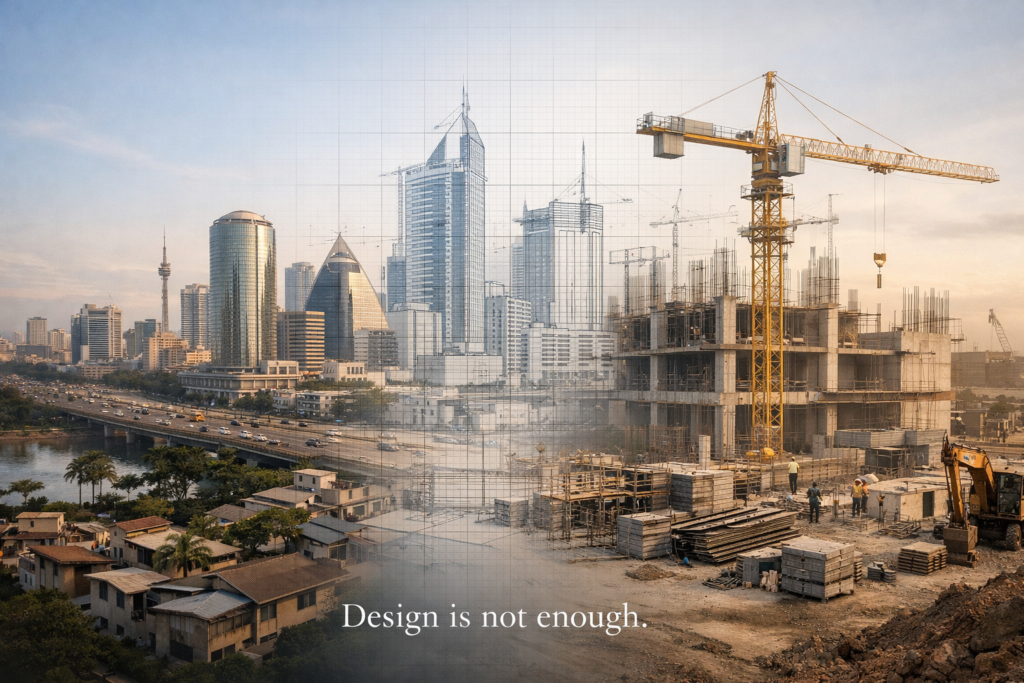
In real estate development, success is rarely determined by design alone.
While striking architectural concepts often capture attention, the true measure of a successful project lies in how well that vision is executed — structurally, financially, and operationally.
The Hidden Risk in Most Developments
One of the most common — and costly — challenges in real estate is the disconnect between concept, engineering, and execution.
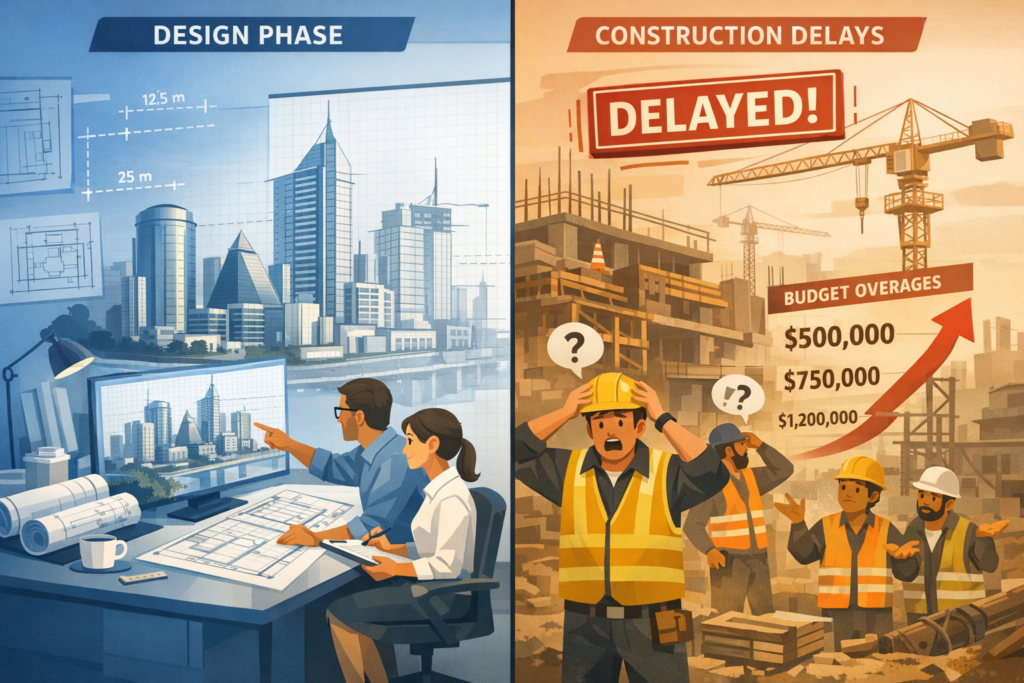
A project may begin with a compelling architectural vision, but without proper structural planning, civil coordination, and cost control, that vision can quickly become inefficient, delayed, or financially unsustainable.
These gaps often lead to:
- Cost overruns
- Construction delays
- Design compromises
- Long-term structural or maintenance issues
This is where many developments fall short — not because the idea was flawed, but because the execution wasn’t aligned from the start.
Why an Integrated Approach Matters
To address this, an integrated approach to development is no longer optional — it is essential.
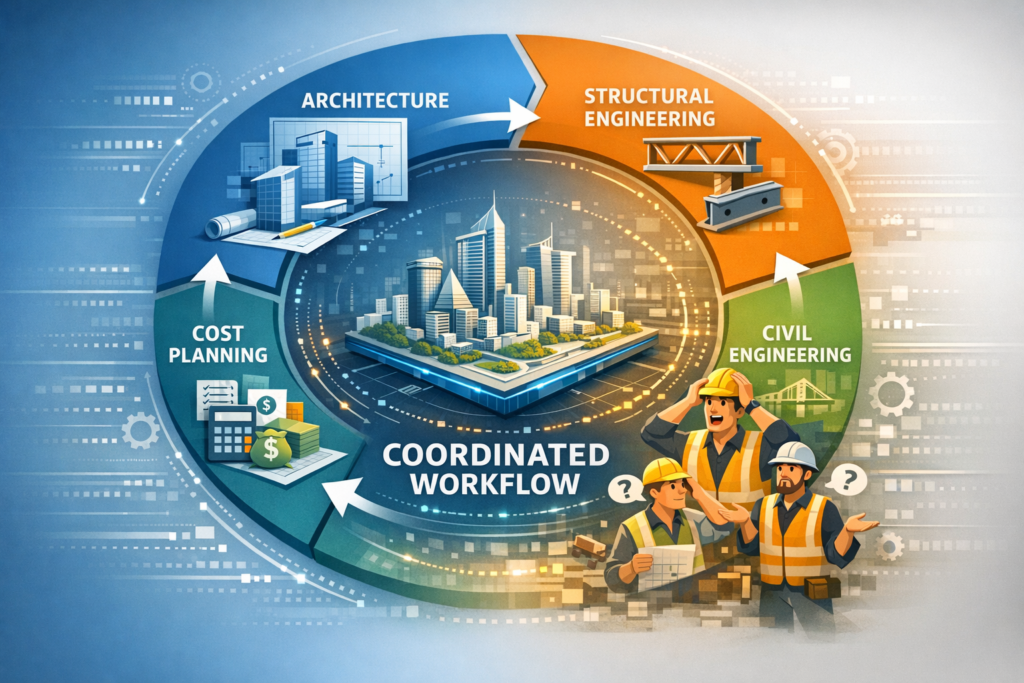
At Complete Housing, architecture, structural engineering, civil engineering, and quantity surveying are brought together within a single, coordinated framework.
This ensures that every stage of the project is aligned — from concept to completion — allowing for better decision-making, improved efficiency, and reduced risk.
From Vision to Reality: How It Works
1. Architecture: Where Vision Meets Function
The architectural process goes beyond aesthetics.
Designs must reflect not only visual appeal, but also:
- Site conditions
- Intended use
- Cultural context
- Long-term functionality
By balancing creativity with practicality, projects are designed to be both inspiring and achievable.
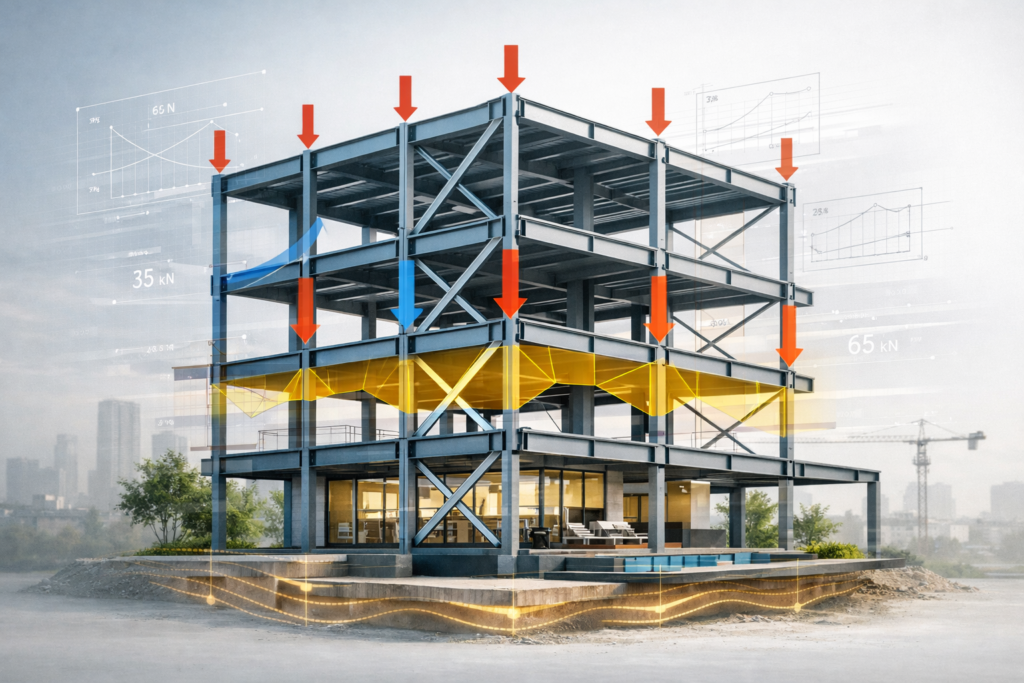
2. Structural Engineering: Building for Strength and Longevity
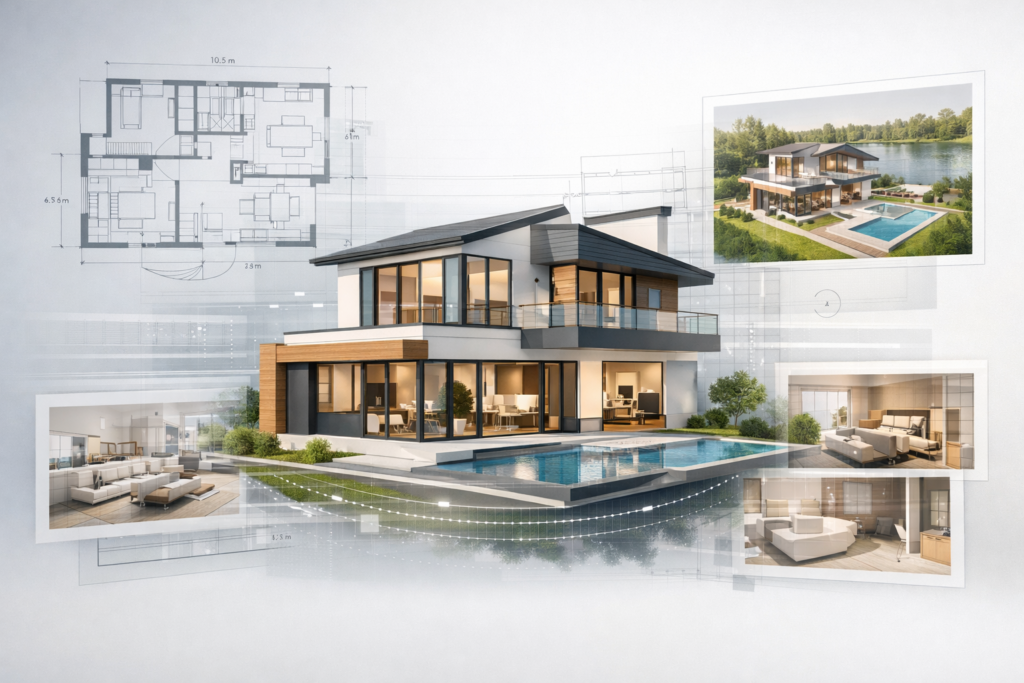
Every design must be supported by a solid structural foundation.
Structural engineering ensures that buildings are:
- Safe and compliant
- Durable over time
- Adapted to environmental conditions
This is especially critical in regions where climate, materials, and construction methods must be carefully considered.
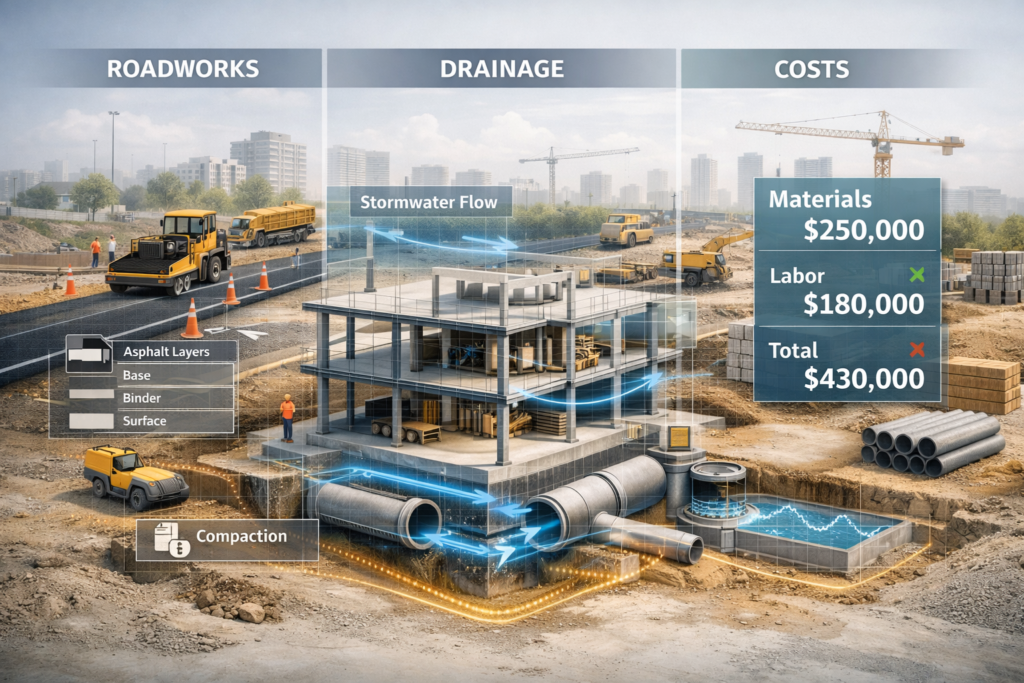
3. Civil Engineering & Quantity Surveying: Making It Feasible
Turning plans into reality requires detailed coordination and financial clarity.
Civil engineering focuses on:
- Site development
- Infrastructure planning
- Drainage and groundwork
While quantity surveying ensures:
- Accurate cost estimation
- Budget control
- Financial transparency
Together, these disciplines ensure that projects remain technically sound and economically viable.
Reducing Risk Through Coordination
When these functions operate independently, projects often face misalignment.
However, when they are integrated:
- Redesigns are minimized
- Costs are better controlled
- Timelines are more predictable
- Project outcomes are more reliable
This level of coordination is what separates successful developments from problematic ones.
Innovation in Construction: The Complete Wall System
Beyond integration, innovation also plays a key role in shaping the future of housing.
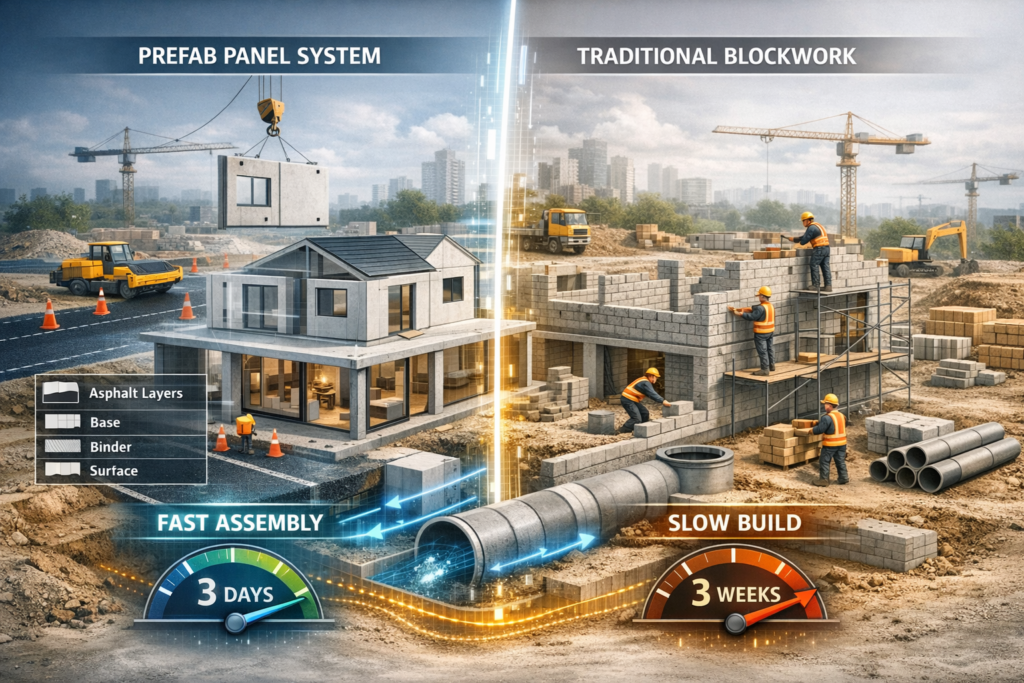
At Complete Housing, systems like the Complete Wall System are designed to improve:
- Construction speed
- Cost efficiency
- Structural performance
By rethinking traditional building methods, it becomes possible to deliver high-quality housing more efficiently — without compromising on durability or comfort.
Building for the Future
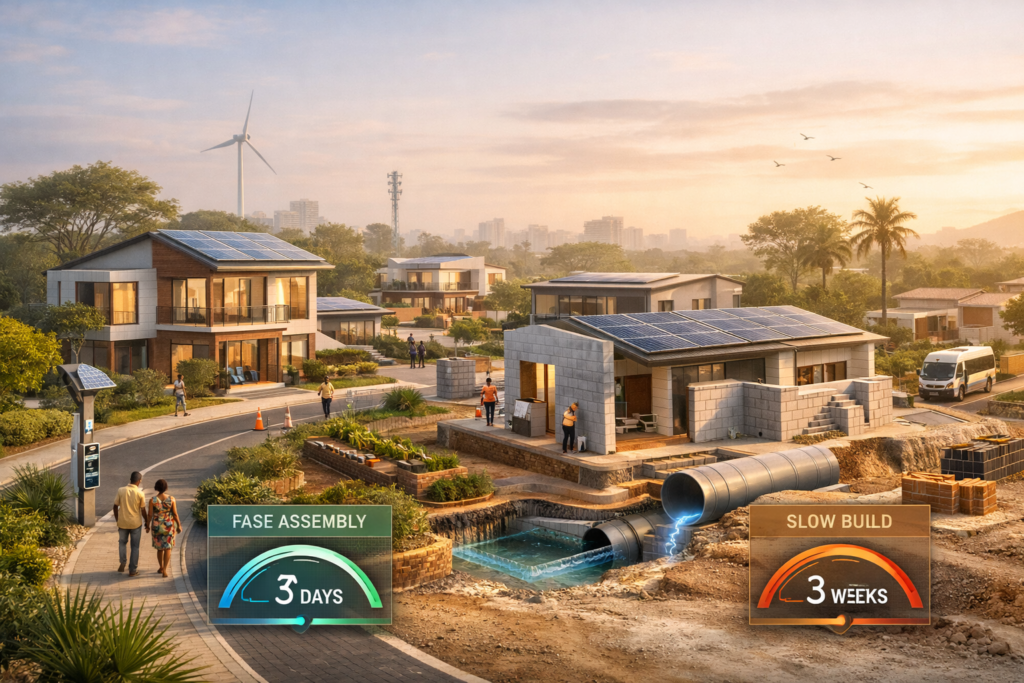
As the demand for quality housing continues to grow across Ghana and Africa, the focus must evolve.
It is no longer enough to simply build more — the priority must be to build:
- Better
- Smarter
- More sustainably
For developers, investors, and landowners, working with teams that understand both the technical and financial dimensions of a project is now critical.
Conclusion
Real estate development is no longer just about design — it is about alignment.
At Complete Housing, integrating architecture, engineering, and cost management is at the core of how projects are delivered — ensuring they are not only well-designed, but also practical, efficient, and built to last.
If you are currently exploring or planning a development project, understanding this approach can make all the difference.
👉 Learn more:
https://complete.house/architectural-structural-civil-engineering-services/
Leave a Reply